Distilled fatty acids are essential components in a range of industrial applications, from personal care products to manufacturing processes. Their high purity and refined characteristics make them invaluable in creating high-quality products. But what exactly sets distilled fatty acids apart, and how does the distillation process contribute to their superior properties?
The Distillation Process
The journey to obtaining distilled fatty acids begins with crude fatty acids, which are extracted through various methods such as hydrolysis of triglycerides. These crude acids contain a mixture of fatty acids, impurities, and residual substances. Distillation is employed to purify these fatty acids and separate them based on their boiling points.
In the distillation process, crude fatty acids are heated in a high-vacuum environment. This allows for the vaporization of fatty acids without decomposition. The vaporized fatty acids then pass through a series of condensers where they are cooled and condensed back into a liquid form. The result is a refined product with a high degree of purity. The distillation process ensures that unwanted impurities and non-volatile components are removed, yielding a product that meets stringent quality standards.
Benefits of Distilled Fatty Acids
- Purity and Consistency: Distilled fatty acids are characterized by their high purity, which is a crucial factor in many applications. The distillation process removes contaminants and residual substances, resulting in a product that offers consistent quality. This is particularly important in industries like pharmaceuticals and cosmetics, where purity is paramount.
- Enhanced Performance: Due to their refined nature, distilled fatty acids exhibit superior performance in various applications. For example, in the cosmetic industry, high-purity fatty acids contribute to better texture, stability, and effectiveness of formulations. In the manufacturing sector, they enhance the properties of materials, such as improving the texture and performance of plastics and rubber.
- Versatility: The high purity of distilled fatty acids makes them versatile across different industries. In addition to cosmetics and pharmaceuticals, they are used in food processing, detergents, and industrial lubricants. Their ability to meet specific quality and performance criteria allows for a wide range of applications.
- Reduced Odor and Color: Distilled fatty acids often have reduced odor and color compared to their crude counterparts. This makes them more suitable for use in products where aesthetic and sensory properties are important, such as in personal care products and food items.
Applications of Distilled Fatty Acids
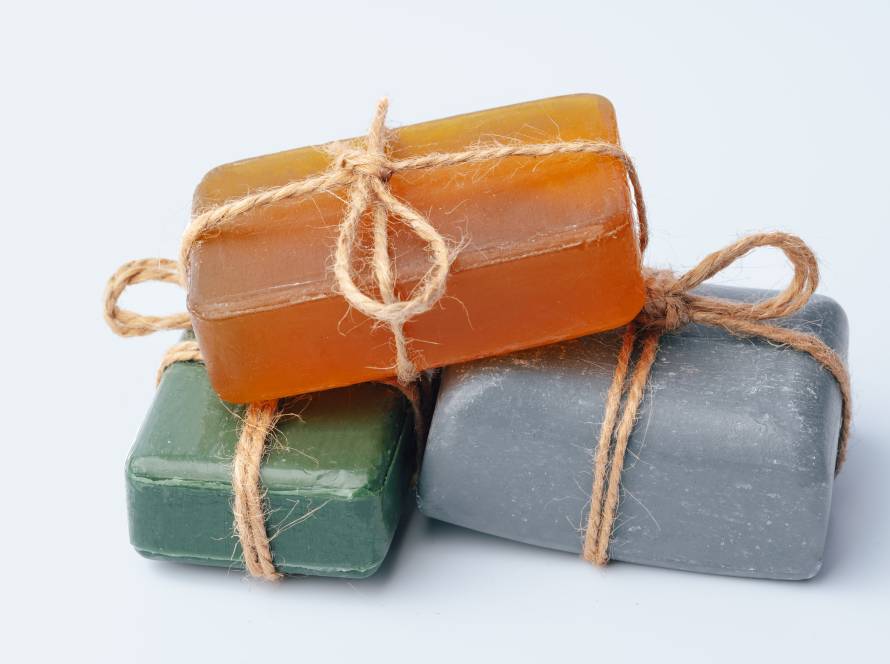
- Cosmetics and Personal Care: Distilled fatty acids are used in the formulation of lotions, creams, and soaps. Their high purity ensures that these products are safe and effective, providing moisturizing and emollient properties.
- Pharmaceuticals: In the pharmaceutical industry, distilled fatty acids are used as excipients in drug formulations. Their purity and consistency are essential for ensuring the safety and efficacy of medications.
- Industrial Applications: Distilled fatty acids are used in the production of lubricants, plastics, and textiles. Their ability to enhance material properties makes them valuable in manufacturing processes.
In conclusion, the science behind distilled fatty acids reveals a process that transforms crude substances into highly purified and versatile components. The benefits of distilled fatty acids extend across multiple industries, highlighting their importance in producing high-quality and effective products.