Stearic acid, a saturated fatty acid commonly derived from animal fats or vegetable oils, plays a vital role not only in the personal care industry but also in other sectors such as the rubber industry. Its unique properties make it a preferred ingredient in various applications, including the production of calcium stearate and magnesium stearate. To understand why stearic acid is so valuable, let’s explore its functions, benefits, and significance in different industries.
What is Stearic Acid?
Stearic acid is a long-chain fatty acid with 18 carbon atoms. It is solid at room temperature and has a waxy texture. It is commonly found in animal fats and vegetable oils, such as cocoa butter and shea butter. In personal care products, stearic acid is often used in its refined form to ensure purity and effectiveness.
Functions of Stearic Acid in Personal Care Products
- Emulsification: One of the primary roles of stearic acid in personal care products is as an emulsifier. Emulsifiers help blend oil and water-based ingredients, creating stable and uniform formulations. In creams, lotions, and serums, stearic acid helps maintain the consistency of the product and prevents the separation of ingredients.
- Thickening Agent: Stearic acid acts as a thickening agent, giving products a desirable texture. Its ability to form gels and increase the viscosity of formulations makes it an essential ingredient in products like lotions, creams, and body butters.
- Stabilization: Stearic acid helps stabilize formulations, ensuring that they maintain their texture and effectiveness over time. This is particularly important in products that need to retain their consistency and performance throughout their shelf life.
- Conditioning: In hair care products, stearic acid functions as a conditioning agent. It helps improve the texture and manageability of hair, providing a smooth and silky feel.
Rubber Industry
- Processing Agent: In the rubber industry, stearic acid is used as a processing agent. It helps in the vulcanization process, where it acts as a lubricant and improves the flow of the rubber compound during processing.
- Enhancement of Physical Properties: Stearic acid enhances the physical properties of rubber, including its flexibility, durability, and resistance to aging.
Calcium Stearate and Magnesium Stearate
- Calcium Stearate: Derived from stearic acid, calcium stearate is used as a lubricant and release agent in the production of plastics and rubber. It helps in the smooth processing and molding of these materials.
- Magnesium Stearate: Similarly, magnesium stearate is used as a flow agent and lubricant in the pharmaceutical and cosmetic industries. It ensures the smooth flow of powders and prevents clumping during manufacturing processes.
Benefits of Stearic Acid
- Skin Tolerance: Stearic acid is generally well-tolerated by the skin, making it suitable for use in a wide range of skincare products. It is less likely to cause irritation compared to some other ingredients.
- Non-Comedogenic: Stearic acid does not clog pores, making it an excellent choice for formulations intended for acne-prone or sensitive skin.
- Hydration: By forming a barrier on the skin, stearic acid helps lock in moisture, contributing to improved hydration and skin softness.
- Enhanced Product Performance: The inclusion of stearic acid in personal care products can enhance the overall performance of the formulation, ensuring a smooth application and long-lasting effects.
Applications in Personal Care Products
- Facial Creams and Lotions: Stearic acid is used to create creamy textures and improve the stability of facial creams and lotions. It helps emulsify the oil and water components, ensuring a smooth application.
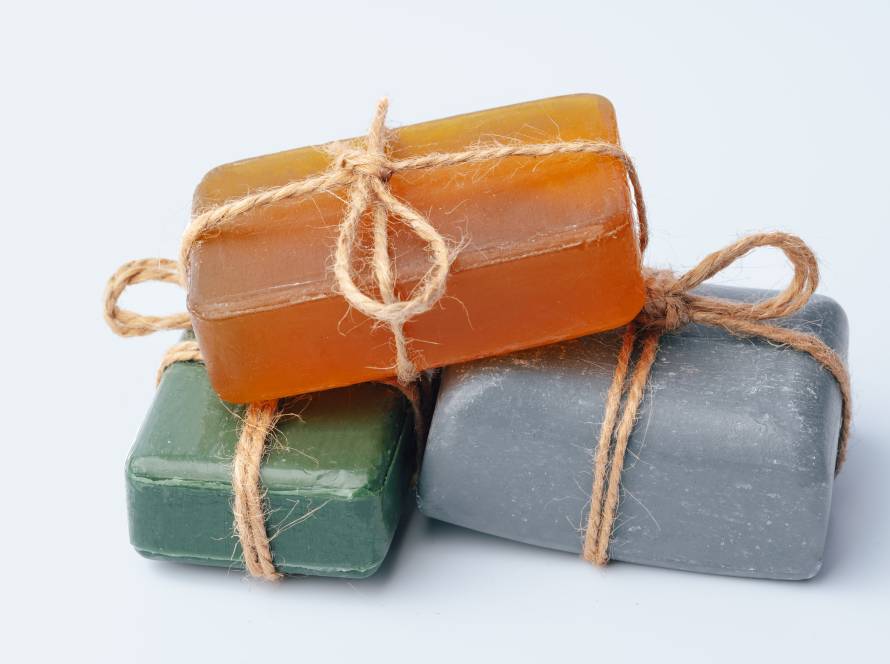
- Soaps: In bar soaps, stearic acid contributes to a firm texture and rich lather. It helps stabilize the soap formulation and improve its performance.
- Hair Care: Stearic acid is included in shampoos and conditioners to provide conditioning benefits and enhance the texture of hair care products.
- Rubber: It enhances the processing and physical properties of rubber, improving flexibility and durability.
- Calcium and Magnesium Stearates: These compounds are used as lubricants and release agents in plastics, rubber, and pharmaceuticals.
In summary, stearic acid is a versatile and valuable ingredient in the personal care industry. Its functions as an emulsifier, thickening agent, and stabilizer make it essential in creating high-quality and effective personal care products. Its benefits, including skin tolerance and hydration, contribute to its widespread use in various formulations.